The cost for a basic gloss or matte wrap ranges from $2,500 to $3,500. Mid-range options, such as satin or metallic finishes, typically cost between $3,500 and $4,500. Premium finishes, including chrome, color-shift, or carbon fiber, fall in the $4,500 to $6,500 range. Ultra-premium or highly complex designs can exceed $6,500, reaching up to $10,000 or more.
If you’re looking to transform your Toyota Highlander without committing to permanent paint changes, vehicle wraps are a popular solution. But naturally, one of the first questions owners ask is, “How much does it cost to wrap a Toyota Highlander?” On average, professional full wraps cost between $2,500 and $6,000, with most Highlander owners paying around $3,000–$4,500 for quality materials and finishes. Wraps offer a wide range of customization, from glossy or matte colors to premium finishes like metallic, carbon fiber, or even chrome. They also protect your factory paint, are reversible, and are perfect for leased vehicles or business branding. In this guide, you’ll learn everything about Highlander wrap costs, vinyl types, professional vs. DIY installation, factors affecting pricing, and maintenance tips. As a mid-size SUV, the Highlander is more affordable to wrap than full-size trucks but requires more material than a sedan, which naturally affects cost.
Quick Answer: Toyota Highlander Wrap Cost Breakdown
For a quick breakdown, here’s what you can expect when wrapping your Highlander:
Professional Installation (Most Common)
DIY Installation (Materials Only)
For a do-it-yourself wrap, budget vinyl typically costs between $500 and $900, while higher-quality vinyl ranges from $900 to $1,500. Premium vinyl options can reach $1,500 to $2,500. In addition to the vinyl itself, you may need tools such as squeegees, cutting instruments, and heat guns, which can add another $100 to $300 to the total cost.
Partial Wraps
If you’re opting for a partial wrap, covering just the hood typically costs between $300 and $600, while a roof wrap ranges from $400 to $800. Combining both the hood and roof will generally run $700 to $1,200. For smaller accent packages, such as mirrors or trim pieces, expect to pay between $500 and $1,000, depending on complexity and materials used.
Additional Costs
Beyond the base wrap, there are several extra expenses to consider. Custom design or graphics can add anywhere from $200 to $1,000, while proper surface preparation typically costs $100 to $500. If an old wrap needs removal, expect an additional $500 to $800. For those opting to protect their new wrap with a ceramic coating, the post-wrap application generally ranges from $300 to $800.
| Option | Price Range | Notes |
|---|---|---|
| Basic Wrap | $2,500–$3,500 | Gloss or matte finish |
| Mid-Range | $3,500–$4,500 | Satin or metallic finish |
| Premium | $4,500–$6,500 | Carbon fiber, color-shift |
| Ultra-Premium | $6,500–$10,000+ | Chrome, full custom graphics |
| DIY Materials | $500–$2,500 | Excludes labor, requires 20–40 hours |
| Partial Wraps | $300–$1,200 | Hood, roof, or accent packages |
This table helps you visualize the different options, from budget DIY wraps to ultra-premium professional installations.
Why the Toyota Highlander Size Matters for Wrap Cost
The Highlander’s size directly impacts wrap costs. As a mid-size three-row SUV, it has a large surface area including doors, quarter panels, roofline, and bumpers. Full coverage requires 55–65 linear feet of vinyl, compared to 40–50 feet for sedans or 70–80 feet for full-size trucks. More material equals higher costs, and the labor is more intensive.
Body complexity adds to pricing. Highlanders feature curved rear bumpers, protruding side mirrors, door handles, wheel arches, lower body cladding, roof rails, and sometimes a rear spoiler. Each contour requires careful wrapping. Generation also matters:
1st gen (2001–2007)
The first-generation Toyota Highlander features simpler body lines, making it easier to wrap compared to later models with more curves and complex panels.
2nd gen (2008–2013)
The second-generation Toyota Highlander has more curves than the first, which increases the complexity of wrapping, making it moderately difficult for installers.
3rd gen (2014–2019)
The third-generation Toyota Highlander features contemporary styling with smoother lines and modern contours, resulting in a wrap that is moderately complex but manageable for professional installers.
4th gen (2020–present)
The latest Toyota Highlander models boast the most modern design with intricate and complex panels, making full wraps more challenging and requiring skilled professional installation for a flawless finish.
Compared to sedans, SUVs like the Highlander require 30–40% more material and 8–16 additional labor hours, making them pricier. But unlike full-size trucks, Highlanders remain manageable for professional installers, balancing cost with style and protection.
Types of Vinyl Wraps and Their Costs for Highlander
Choosing the right wrap depends on your style, budget, and goals. Here’s a breakdown:
Gloss Wraps (Most Affordable)
Gloss wraps for the Toyota Highlander typically cost between $2,500 and $3,500. They offer an affordable option with a shiny, paint-like finish that is easy to clean and closely resembles factory paint. However, gloss wraps tend to show scratches and swirl marks more easily, making them less forgiving than other finishes. They are best suited for daily drivers or owners looking to change their vehicle’s color without a major investment.
Matte Wraps (Popular Choice)
Matte wraps for the Toyota Highlander generally cost between $2,800 and $4,000. They provide a flat, non-reflective finish that hides minor imperfections and gives the vehicle a premium, modern look. On the downside, matte wraps require special cleaning products and tend to show fingerprints more easily than gloss finishes. They are ideal for owners seeking a luxurious, contemporary appearance without investing in permanent paint changes.
Satin Wraps (Middle Ground)
Satin wraps for the Toyota Highlander typically range from $3,000 to $4,200. They offer a semi-gloss finish that provides an elegant, sophisticated sheen, striking a balance between the reflective gloss and flat matte options. While satin wraps are less common and come at a mid-range cost, they are perfect for owners who want a subtle yet luxurious appearance that stands out without being overly flashy.
Metallic Wraps (Premium)
Cost between $3,500 and $5,000 and are designed to catch the eye with dynamic shifts in light, making vehicles stand out. While visually striking, metallic wraps can be harder to repair or match if damaged, which may increase maintenance complexity. They are best suited for those seeking a bold, attention-grabbing appearance that differentiates their vehicle from others.
Carbon Fiber Wraps (Sporty)
Carbon Fiber Wraps (Sporty) range in cost from $4,000 to $5,500 for full vehicle coverage, or $500 to $1,500 for accent pieces. They offer a durable, racing-inspired aesthetic that enhances sporty designs. However, full coverage can be expensive, so it is best suited for sport packages or selective areas such as the hood or roof, where the visual impact is maximized without the full cost of wrapping the entire vehicle.
Chrome Wraps (Most Expensive)
Chrome Wraps (Most Expensive) cost between $6,000 and $10,000 or more and offer the maximum visual impact, creating a highly reflective, mirror-like finish. While striking, chrome wraps are very costly and may be illegal in certain areas due to glare or safety regulations. They are best suited for show vehicles, promotional purposes, or advertising where attention-grabbing appearance is the primary goal.
Color-Shift/Chameleon Wraps (Ultra-Premium)
Color-Shift/Chameleon Wraps (Ultra-Premium) range from $5,000 to $8,000 or more and provide a unique, futuristic look that changes color depending on the viewing angle and light. While visually striking, these wraps require complex installation and specialized expertise. They are best suited for head-turning customization, making a bold statement for those seeking an ultra-premium, one-of-a-kind vehicle appearance.
Paint Protection Film (PPF)
Paint Protection Film (PPF) typically costs between $4,000 and $8,000 or more and provides a self-healing layer that preserves the underlying paint from scratches, chips, and minor abrasions. While its primary purpose is protection rather than aesthetics, it helps maintain a vehicle’s appearance over time. PPF is best suited for new vehicles or those intended for resale, where preserving the paint and overall condition adds long-term value.

Professional Installation vs. DIY: Cost and Considerations
Professional Installation
Professional Installation for vehicle wraps or protective films typically involves material costs ranging from $1,000 to $2,500 and labor costs between $1,500 and $4,000, bringing the total to approximately $2,500–$6,500 or more, depending on complexity. Installation usually takes 2–4 days, ensuring careful application and attention to detail for a high-quality, long-lasting finish.
Advantages
Advantages of professional installation include achieving a perfect finish backed by a warranty, using specialized tools, and ensuring proper surface preparation. Professionals can handle complex areas such as curves, mirrors, and door handles seamlessly, resulting in a smooth, durable, and visually appealing wrap or film application.
Disadvantages
Disadvantages of professional installation include a higher upfront cost compared to DIY methods, potential vehicle downtime during the 2–4 day installation process, and variations in availability or pricing depending on geographic location. These factors should be considered when planning a wrap or protective film application.
DIY Installation
DIY Installation typically involves material costs of $900–$2,000 and additional tools ranging from $100–$300. For a first attempt, the process can take 20–40 hours, depending on skill level and vehicle complexity, making it a time-intensive option compared to professional installation.
Advantages:
Disadvantages:
Disadvantages of DIY installation include a higher risk of bubbles, wrinkles, and improper alignment, a lack of warranty coverage, and potential material waste. It can also be particularly challenging on larger vehicles, such as SUVs like the Highlander, due to their size and complex curves.
Recommendation: DIY is best for partial wraps or accents; full Highlander wraps are better left to professionals.
Key Factors That Affect Toyota Highlander Wrap Cost
Vinyl Quality and Brand:
Vinyl Quality and Brand can vary significantly in cost and performance. Budget options typically range from $3–$5 per square foot, offering basic durability. Mid-tier vinyl, priced around $8–$12 per square foot, provides better longevity and finish, while premium vinyl costs $12–$18 per square foot and delivers the highest quality, durability, and visual appeal for professional-grade wraps.
Wrap Coverage
Wrap Coverage can be customized to suit different needs and budgets, including full wraps that cover the entire vehicle, partial wraps that cover specific sections, or accent wraps that highlight certain areas such as the hood, roof, or mirrors. Each option offers varying levels of visual impact and cost, allowing vehicle owners to choose the coverage that best fits their style and purpose.
Design Complexity
Design Complexity affects both the cost and installation time of a vehicle wrap. Solid color wraps are the most affordable option, while custom graphics, patterns, or advertising designs increase material costs and require more precise installation, making them more expensive.
Vehicle Condition
Vehicle Condition can impact the overall cost of a wrap, as any necessary surface preparation or damage repair may add $100–$800 or more. Ensuring the vehicle’s paint and body are in good condition is essential for a smooth, long-lasting application and optimal finish.
Geographic Location
Geographic Location can significantly influence wrap costs, with services in urban metropolitan areas typically priced 20–50% higher than in smaller towns or rural regions. This variation reflects differences in labor rates, demand, and availability of skilled installers.
Installer Experience
Installer Experience plays a key role in both cost and quality. Budget shops typically charge less but may deliver inconsistent results, while premium shops with experienced installers provide higher-quality finishes, more precise application, and better long-term durability, albeit at a higher price.
Timing/Season
Timing/Season can affect wrap pricing, as demand is typically higher in spring and summer, leading to increased costs. Conversely, winter months may offer discounts or more flexible scheduling due to lower demand, making it a potentially cost-effective time for installation.
Add-Ons
Add-ons can enhance both the appearance and protection of a vehicle wrap. Common options include window tinting, which typically costs $200–$600; ceramic coating for added durability and shine, ranging from $300–$800; and chrome delete services, priced between $200–$500, allowing for a customized, cohesive look.

How Long Does a Highlander Wrap Last?
Expected Lifespan
Expected Lifespan of wraps and protective films varies by material quality. Budget vinyl typically lasts 1–2 years, while mid-tier vinyl can endure 3–5 years. Premium brands such as 3M or Avery offer 5–7 years of durability. Paint Protection Film (PPF) provides the longest lifespan, often lasting 7–10 years or more with proper care.
Factors
Climate, maintenance, garage parking, and installation quality affect lifespan. Hand wash only, avoid harsh chemicals, and address edge lifting immediately.
Cost per year
Cost per Year can help evaluate the long-term value of a vehicle wrap or paint job. For example, a $3,500 wrap lasting 5 years equates to approximately $700 per year, which is comparable to a $6,000 paint job that lasts 5–10 years, making wraps a cost-effective option for both aesthetics and protection.
Highlander Wrap vs. Paint Job: Cost Comparison
Wrap
Wrap costs range from $2,500 to $6,000, with professional installation typically taking 2–4 days. Wraps offer a lifespan of 3–7 years, are reversible, protect the underlying paint, and come in a wide variety of finishes, making them a versatile option for both aesthetic customization and vehicle preservation.
Paint
Paint typically costs between $3,000 and $10,000 or more, with professional application taking 1–2 weeks. A quality paint job can last 10–15 years or longer, providing a permanent, classic finish. Unlike wraps, paint offers limited reversible options, making it a long-term solution for vehicle aesthetics.
When to choose wrap
When to Choose Wrap is ideal for short-term customization, leased vehicles, paint protection, or when seeking unique finishes. Wraps allow owners to change a vehicle’s appearance without permanent alterations, making them a flexible and cost-effective option for style and protection.
When to choose paint
When to Choose Paint is best for long-term vehicle ownership, repairing severely damaged paint, or achieving a classic, permanent appearance. Paint provides durable, lasting protection and a traditional finish that is ideal for vehicles intended to remain with the owner for many years.
Step-by-Step: What to Expect During Professional Installation
Day 1
Prep involves thoroughly inspecting the vehicle, cleaning all surfaces, and removing trim or accessories as needed to ensure a smooth and flawless wrap or paint application. Proper preparation is essential for achieving professional results and long-lasting adhesion.
Day 2–3
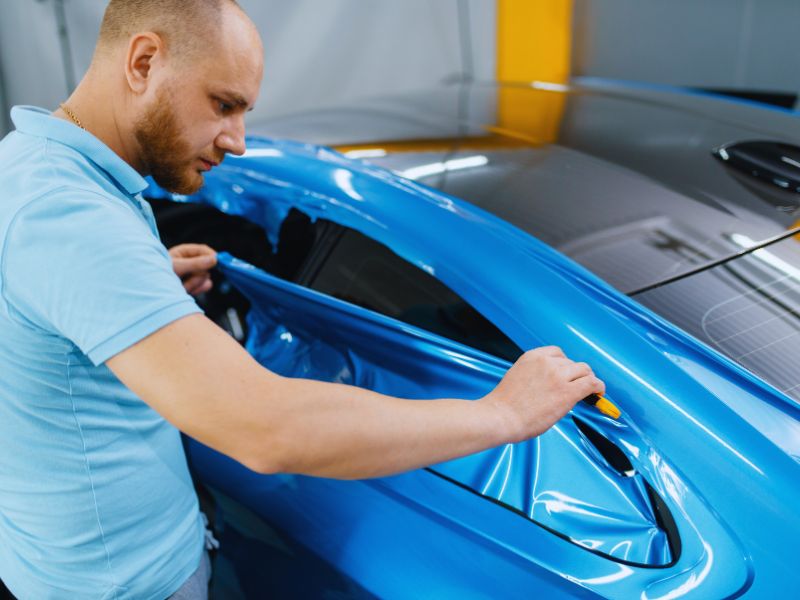
Wrap Application involves measuring and applying the vinyl carefully, using heat to conform the material to curves and complex surfaces, and sealing all edges to ensure proper adhesion and a smooth, long-lasting finish.
Day 4
Finishing includes reinstalling trim and removing parts, followed by a thorough final inspection to ensure the wrap or paint has been applied correctly and meets quality standards.
Total
Total installation time typically ranges from 2–4 days, depending on vehicle size, complexity, and the type of wrap or protective film being applied.
How to Save Money on Your Highlander Wrap
Cost-Saving Tips include opting for a partial wrap, such as the hood and roof, which can save 40–60% compared to full coverage. Sticking to standard finishes like gloss or matte reduces material costs. Obtain 3–5 quotes and verify materials and warranties to ensure value. Scheduling installation in the off-season may provide discounts, and providing a clean vehicle helps avoid additional prep fees. For smaller sections, consider DIY installation, skip unnecessary add-ons, and choose reputable mid-tier shops to balance quality and cost effectively.
Common Highlander Wrap Mistakes to Avoid
Common Highlander Wrap Mistakes to avoid include choosing the cheapest installer, skipping proper surface preparation, or using low-quality vinyl brands. Attempting a DIY installation on a full SUV without experience can lead to bubbles, wrinkles, or poor alignment. Other pitfalls include ignoring warranties or failing to review the installer’s portfolio, using automatic car washes that can damage the wrap, delaying edge repairs, forgetting to wrap door jambs, not accounting for climate effects on adhesion, and attempting complex graphics without proper planning.
Real-World Toyota Highlander Wrap Examples
| Wrap Type | Year & Trim | Color / Design | Coverage / Add-Ons | Cost | Time | Location / Notes |
|---|---|---|---|---|---|---|
| Budget Color Change | 2018 LE | Gloss Black | Full exterior | $2,800 | 3 days | Suburban Ohio |
| Mid-Range Custom | 2021 XLE | Matte Metallic Gray | Full + door jambs, chrome delete | $4,200 | — | Dallas |
| Premium Business Wrap | 2023 Platinum | Custom Graphics | Full + ceramic coating | $6,800 | 5 days | Los Angeles |
| DIY Partial Wrap | 2016 Limited | Carbon Fiber Hood + Roof | Partial coverage | $600 | 16 hours | Minor imperfections |
Vinyl Wrap Material Requirements for Highlander
Full wrap
Full Wrap typically requires 55–65 linear feet of vinyl, depending on the vehicle size and coverage area, ensuring complete exterior coverage for a seamless and professional finish.
Partial wraps
Partial Wraps require varying amounts of vinyl depending on the area covered: the hood typically uses 6–8 feet, the roof 12–15 feet, both doors on one side 12–14 feet, and each bumper 8–10 feet. This allows for targeted coverage while conserving material and reducing costs.
Rolls
Rolls of vinyl typically come in a standard width of 60 inches, with lengths ranging from 25 to 75 feet. This sizing accommodates full or partial vehicle wraps and allows installers to select the appropriate amount of material for each project while minimizing waste.
Order
Order Extra Material by adding 10–15% more vinyl than calculated to account for waste, installation mistakes, and complex curves, ensuring there is enough material to complete the wrap without interruptions or shortages.
Is Wrapping Your Toyota Highlander Worth It?
Wraps offer color change without permanent paint, protect factory paint, and allow unique finishes like chrome or color-shift. Ideal for leased or new vehicles, business branding, or owners seeking flexibility. Skip wraps if you plan long-term ownership, have severely damaged paint, or can’t maintain properly. At $3,000–$4,500 for quality work, wraps offer excellent value for customization and paint protection when installed with premium vinyl.
Final Thoughts
Professional Highlander wraps typically cost $2,500–$6,000, with most owners paying $3,000–$4,500 for standard finishes. Cost depends on size (55–65 ft of vinyl), vinyl type, installation complexity, and location. To ensure the best results, get 3–5 quotes, check installer portfolios, ask about warranties, and prioritize premium vinyl like 3M or Avery Dennison.
DIY is possible, but challenging for a full Highlander wrap; partial or accent wraps are more realistic. Compared to $6,000–$10,000 paint jobs, wraps offer affordable customization and paint protection.
Action steps: decide on wrap type and coverage, research installers, get itemized quotes, verify warranty, and budget for maintenance. Don’t choose purely based on price—quality installation pays off in longevity and appearance, giving your Highlander a stunning, protected finish that turns heads.
FAQs
1. How much does it cost to wrap a Toyota Highlander?
$2,500–$6,000; most pay $3,000–$4,500 for standard finishes.
2. Can I wrap my Highlander myself?
Yes, but DIY takes 20–40+ hours and has a higher risk for beginners.
3. How long does a Highlander wrap last?
3–7 years, depending on vinyl quality and maintenance.
4. Is wrapping cheaper than painting?
Yes, wraps cost $2,500–$6,000 vs $3,000–$10,000+ for professional paint.
5. Does wrapping affect resale value?
No, professionally done wraps preserve original paint and often help resale.