Hybrid vehicles may have limited engine starts during storage, making it harder to properly warm and circulate oil, so it’s essential to follow the manufacturer’s recommended storage procedures.
Many car owners worry about the effects of letting their vehicle sit idle for months. A common concern is, “How long can a car sit without the oil separating?” You might imagine oil breaking down like a salad dressing, with layers forming and additives sinking to the bottom. In reality, modern motor oils are formulated to remain stable, but over time, some additive settling can occur. For most cars, oil sitting in the engine is generally safe for 6–12 months, provided the vehicle is stored properly, and the oil was fresh before storage.
This article will help you understand the science behind oil degradation, the difference between true separation and additive settling, and what precautions to take when storing your car. You’ll learn how environmental factors, oil types, and storage practices influence oil stability, plus strategies to preserve engine health. By the end, you’ll know how to store your vehicle safely and when to change or analyze oil to prevent engine damage.
Understanding Oil “Separation”: What Really Happens
Many people assume that motor oil “separates” like oil and water, but this is a misconception. In reality, what seems like separation is mostly additive settling. Modern oils contain a complex package of detergents, dispersants, anti-wear agents, and viscosity modifiers that ensure engine protection. These additives can settle slightly if the vehicle sits unused for months, particularly in conventional oils, but base oil stability remains intact.
Additive Package Settling
Over time, detergents and anti-wear chemicals can sink, especially if the car isn’t run regularly. For conventional oils, noticeable settling can appear after several months to years. A simple engine startup and normal circulation remix these additives, restoring uniform protection.
Viscosity Modifiers and Pour Point Depressants
In cold climates, wax in petroleum-based oils may crystallize, giving the appearance of separation or thickening. Synthetic oils, however, are more resistant to this issue, and engines tend to stay warm enough to prevent wax precipitation.
Base Oil Integrity
Mineral oils can remain stable for years, while PAO-based synthetic oils are even more durable. True separation, where oil splits into distinct layers, is virtually unheard of in a functioning engine. The real threats are oxidation, moisture contamination, additive depletion, acid formation, and sludge buildup, all of which can harm the engine if neglected.
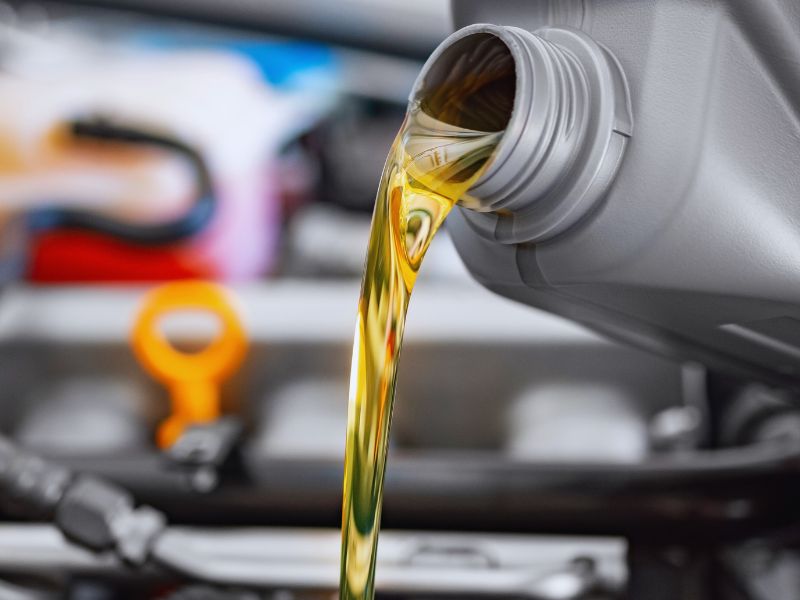
How Long Can Oil Actually Sit in Your Engine?
So, how long can a car sit without the oil separating? The short answer is 6–12 months for most modern vehicles. Within this period, oil generally retains its protective properties, particularly if synthetic oil was used and the car was stored in stable conditions.
Time-Based Recommendations:
Conservative Approach
For older vehicles or harsh climates, change the oil every six months regardless of mileage.
Standard Approach
Modern cars with synthetic oil can typically sit up to a year. Regular engine starts (weekly or bi-weekly) help maintain additive distribution.
Extended Storage
Classic or seasonal cars may exceed one year in storage if oil is fresh beforehand. Oil analysis before restarting is strongly recommended.
Factors Affecting Longevity
Oil type, climate-controlled storage, the date of the last oil change, and how the car was driven before storage all influence how long the oil remains effective. Short trips leave more contaminants, and conventional oils degrade faster in heat and humidity compared to synthetics.
The Science: What Happens to Oil During Idle Time
Oxidation
Oil reacts with oxygen, forming acids and sludge, which can corrode engine parts. Temperatures over 80°F accelerate this process, and even sealed engines allow some air exchange via the crankcase ventilation system.
Moisture Accumulation
Condensation from temperature swings is a major problem in cold, damp climates. Moisture can emulsify oil, cause rust, and degrade additives.
Contamination Buildup
Dust, debris, leftover fuel, and metal particles from prior wear can accumulate. Carbon deposits from combustion also settle in oil.
Additive Depletion
Detergents, anti-wear compounds, and antioxidants gradually lose effectiveness, leaving the engine vulnerable.
Sludge Formation
Over months, oxidized oil combined with contaminants can form thick, tar-like sludge that clogs oil passages and filters, especially after 12+ months of inactivity.
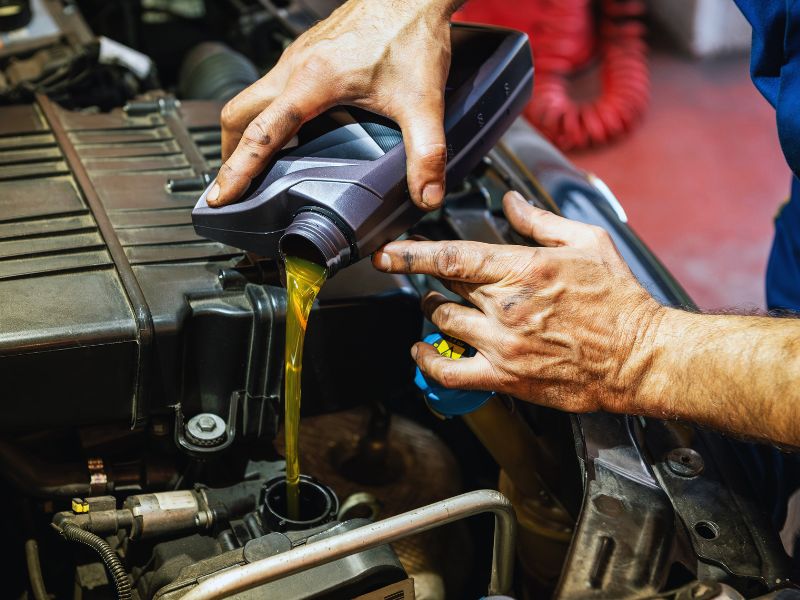
Conventional vs. Synthetic Oil: Storage Differences
| Oil Type | Characteristics & Storage Notes | Safe Storage Duration |
|---|---|---|
| Conventional Oil | Contains natural waxes; oxidizes faster; additives may settle; sensitive to temperature extremes (thickens in cold, thins in heat) | 6–12 months in the engine |
| Synthetic Oil | Superior oxidation resistance; stable additives; better temperature tolerance; less sludge formation | Up to 12 months or slightly longer in the engine |
| Synthetic Blend | Mix of conventional and synthetic; generally safer than conventional but less than full synthetic; high-mileage formulas include seal conditioners | 9–12 months in engine |
| Storage in a Bottle | Unopened bottles remain uncontaminated; longer shelf life | Up to 5 years |
| Storage in Engine | The additive package is exposed to contaminants immediately; degradation begins | 6–12 months |
Environmental Factors That Affect Oil Longevity
Temperature
Ideal storage is 60–75°F. Hot climates accelerate oxidation, shortening oil lifespan to around six months. Cold climates may cause wax crystallization in conventional oils.
Humidity
High humidity increases moisture buildup, accelerating additive depletion. Coastal and damp garages require extra caution.
Storage Location
Climate-controlled garages are best, unheated garages are moderate, and outdoor parking is worst. Car covers and desiccant packets help reduce dust and moisture.
Signs Your Oil Has Degraded While Sitting
Visual Inspection
When a car sits for an extended period, the oil can deteriorate even if it appears unchanged at first glance.
Visual inspection is the first step: fresh oil is typically amber or golden, depending on whether it’s conventional or synthetic.
If the oil appears very dark brown or black, or has developed a milky or tan color, this indicates contamination, often from moisture, and signals degradation. A sludgy, thick, or tar-like texture is a serious warning that the oil may no longer protect engine components effectively.
Smell Test:
The smell test provides additional clues. Fresh oil has a mild petroleum scent. Burnt odors suggest oxidation or overheating, while a gasoline smell can indicate fuel dilution. Water contamination may not have a distinct smell, but it will appear milky on the dipstick.
Dipstick Reading
Checking the dipstick reading is also crucial. Look for unusual foam or bubbles (aeration), metallic particles, or creamy residue, all of which suggest internal chemical changes or contamination.
Immediate Change Recommended
An immediate oil change is recommended if you notice a milky appearance, sludge, a very thick consistency, fuel contamination, or if the car has been sitting for more than 12 months without proper storage. Acting promptly ensures engine longevity and prevents costly damage when restarting a stored vehicle.
How to Properly Store a Car to Preserve Oil Quality
Before Storage
Change the oil with fresh synthetic, fill the fuel tank with a stabilizer, and run the engine to operating temperature to circulate the oil. Optionally, add an oil stabilizer or antioxidant booster to further preserve oil quality during storage.
During Storage
Start the engine every 2–4 weeks for 20–30 minutes, preferably taking a short drive rather than just idling. Store the car in a climate-controlled garage if possible, disconnect the battery or use a trickle charger, and protect the vehicle with a car cover and desiccant packets to minimize moisture and dust.
Documentation: Record oil change date, storage logs, and oil condition.
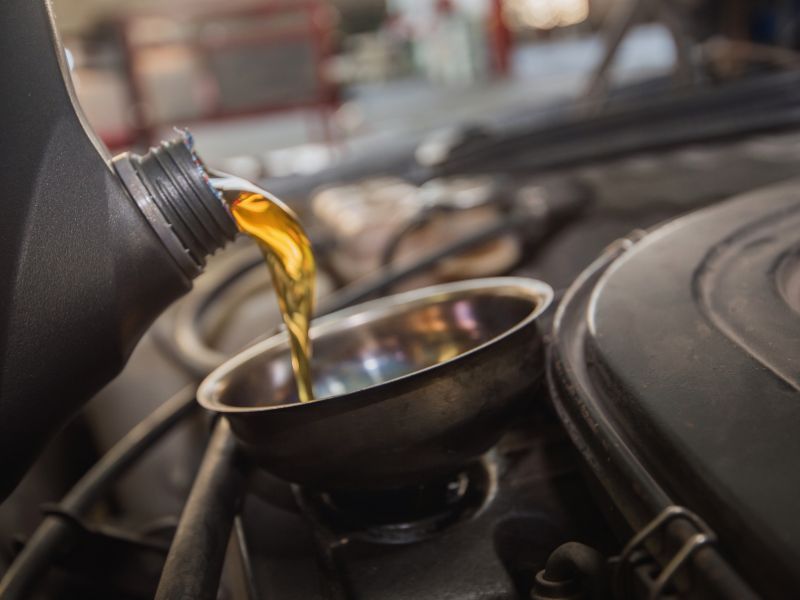
Restarting a Car After Extended Sitting
Pre-Start Inspection: Check oil, coolant, belts, hoses, leaks, and animal nests.
Oil Decision Tree:
-
<6 months, proper storage: likely okay
-
6–12 months: inspect, consider changing
-
12+ months or poor storage: change oil first
Restart Process:
-
Turn key to “ON” for 30 seconds to prime
-
Start engine, monitor oil pressure within 5–10 seconds
-
Idle 5 minutes, check gauges and sounds
-
First 50 miles: gentle driving, avoid highway speeds
Special Considerations for Different Scenarios
Classic Cars:
Older engines in classic vehicles may tolerate longer storage periods, but using fresh oil before storing is essential to protect internal components and maintain engine health.
Modern Cars:
For modern vehicles, adhere to the 6–12 month storage guideline, as sensitive sensors and tighter engine tolerances require stable, properly maintained oil to prevent damage.
High-Performance/Turbo:
High-performance and turbocharged engines require synthetic oil for proper protection, and oil change or engine running intervals should be shorter to prevent degradation during storage.
Diesel:
Diesel engines have a higher TBN (total base number) to neutralize acids, and soot in used oil can settle during storage, so it’s important to change the oil before storing the vehicle.
Hybrid
Commercial/Fleet
Vehicles require professional storage protocols, including regular inspections, adherence to strict maintenance schedules, and proper storage conditions to ensure oil quality and overall vehicle health.
Myths vs. Facts About Oil Storage
| Myth | Fact |
|---|---|
| Oil lasts forever if not driven | Oil degrades in 6–12 months |
| Weekly start does nothing | Redistributes additives and burns moisture |
| Synthetic never needs changing | Maximum 12 months in storage |
| Oil separation is visible on the dipstick | Rare; usually sludge or contamination |
| Cold storage is better than hot storage | Stable, moderate temperatures are best |
| Starting normally means the oil is fine | Degraded oil can damage the engine |
| 5-minute idle is sufficient | Need 20–30 minutes plus gentle driving |
When to Change Oil vs. When to Analyze It
Change Oil Immediately
Sitting 12+ months, milky appearance, very dark or black with sludge, fuel/burnt smell, before long trips.
Consider Oil Analysis
Valuable/classic vehicles, sitting 6–12 months, expensive oil, and professional storage. Tests include wear metals, contaminants, additive levels, oxidation, and TBN. Costs: $30–50, worthwhile for high-value or large engines.
Final Thoughts
So, how long can a car sit without the oil separating? True separation is rare, but degradation occurs over time. For most vehicles, 6–12 months is a safe maximum. Synthetic oil, climate-controlled storage, and regular engine starts preserve oil integrity. Fresh oil before storage is the single most important step. When in doubt, change the oil rather than risk engine damage. Remember: “An ounce of prevention (fresh oil) is worth a pound of cure (engine repair).”
FAQs
1. How long can a car sit without the oil separating?
Safe for 6–12 months; synthetic oil and climate-controlled storage extend durability.
2. Can I leave conventional oil in a stored car for over a year?
Not recommended; additive settling and oxidation can degrade protection.
3. Does synthetic oil resist separation better than conventional?
Yes, synthetic oil has more stable additives and resists sludge formation.
4. Should I start my car regularly in storage?
Yes, 20–30 minutes every 2–4 weeks maintains additive distribution and prevents moisture.
5. How can I tell if oil has degraded in a stored car?
Check color, texture, smell, dipstick readings, and signs of sludge or contamination.