
Do Truck Drivers Still Use CB Radios?
The crackling voice cuts through the static on Channel 19: “Heads up eastbound pileup at mile marker 214, right lane blocked.” For decades, moments like this defined life on the road. Long before smartphones and GPS apps, CB radios were the lifeline connecting truckers across highways, weather systems, and emergencies. So, do truck drivers still […]

How Long Can a Car Sit Without the Oil Separating?
Many car owners worry about the effects of letting their vehicle sit idle for months. A common concern is, “How long can a car sit without the oil separating?” You might imagine oil breaking down like a salad dressing, with layers forming and additives sinking to the bottom. In reality, modern motor oils are formulated […]
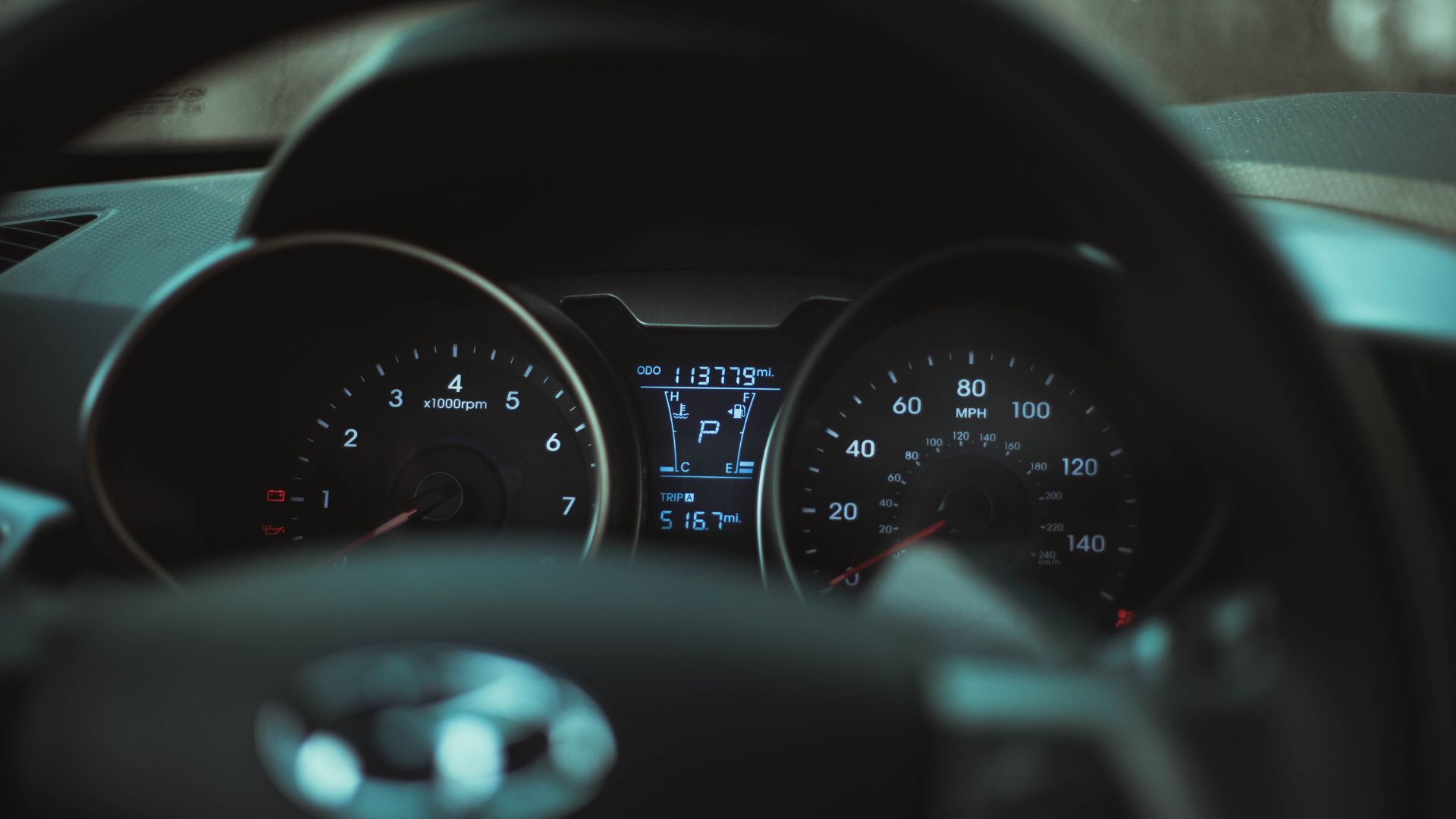
How Many Miles Is Too Much for a Used Car? A Complete Guide
Finding a used car that fits your budget and lifestyle can be exciting—but then the mileage catches your eye. You may wonder: how many miles is too much for a used car? There’s no single answer, but a good benchmark is roughly 200,000 miles as a soft ceiling, while 12,000-15,000 miles per year is considered […]
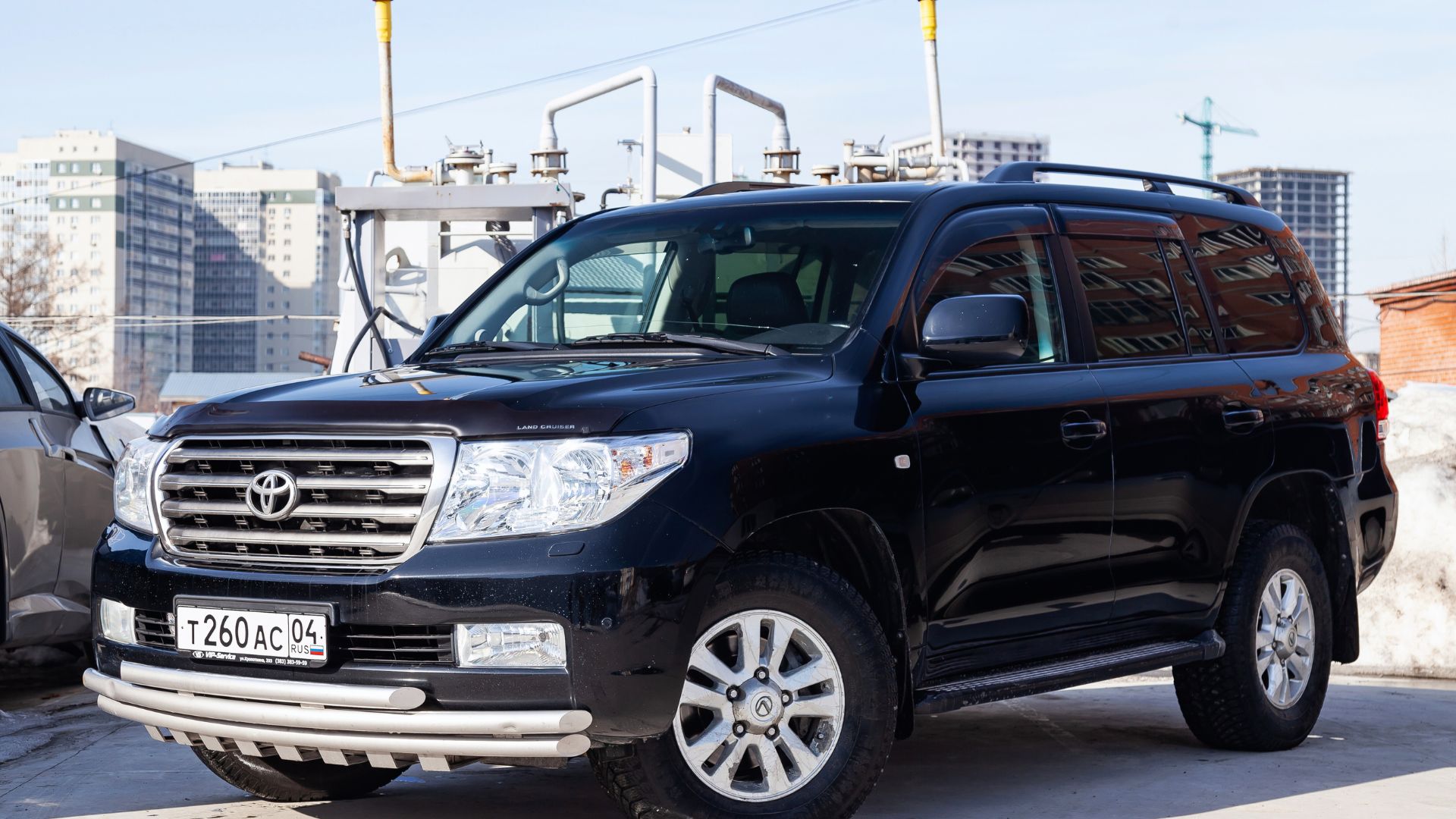
How Much Does It Cost to Wrap a Toyota Highlander?
If you’re looking to transform your Toyota Highlander without committing to permanent paint changes, vehicle wraps are a popular solution. But naturally, one of the first questions owners ask is, “How much does it cost to wrap a Toyota Highlander?” On average, professional full wraps cost between $2,500 and $6,000, with most Highlander owners paying […]
How Long Does an Insurance Claim Take? Complete Guide for Drivers
You’ve just been in a car accident, filed your claim, and now you’re staring at your inbox wondering, “How long does an insurance claim take?” The answer isn’t always simple. Depending on the type of insurance, the complexity of the claim, and state regulations, timelines can range from 2 days to over 90 days. Some […]
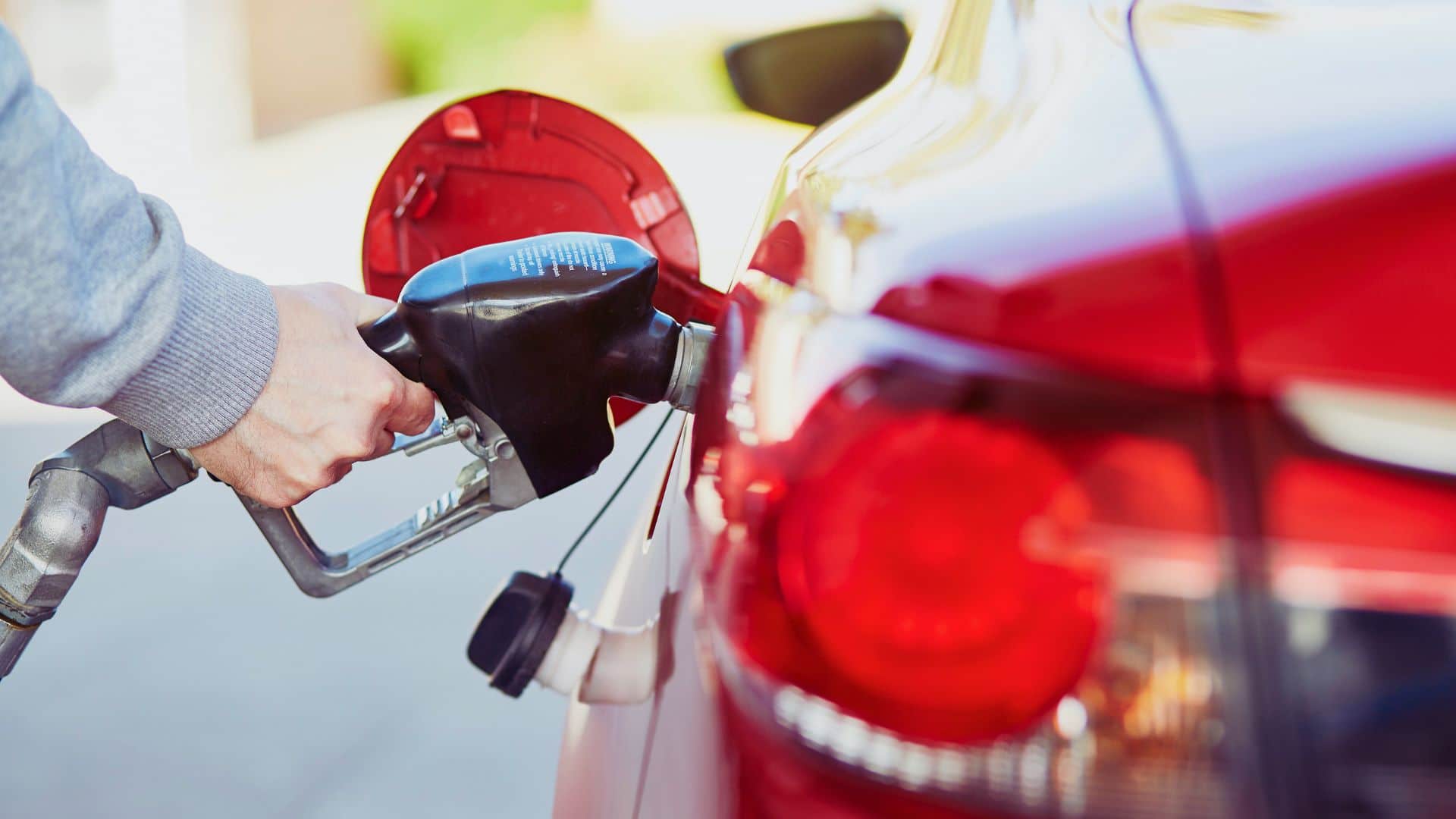
Is Unleaded Regular Gas? Everything You Need to Know
Many drivers experience confusion at the gas pump. The terms “regular gas” and “unleaded gas” are often used interchangeably, but are they really the same? The short answer: yes. Regular gas is unleaded gas in today’s market. Modern fuel sold for road vehicles no longer contains lead additives, making the distinction largely historical. This question […]

What Happens When Your Car Is Totaled But Still Drivable
Many drivers assume that if a car is “totaled,” it’s destroyed and unsafe to drive. The truth is, what happens when your car is totaled but still drivable often surprises people. A vehicle is considered totaled when the cost to repair it exceeds its actual cash value (ACV), not necessarily when it can’t operate. Insurance […]