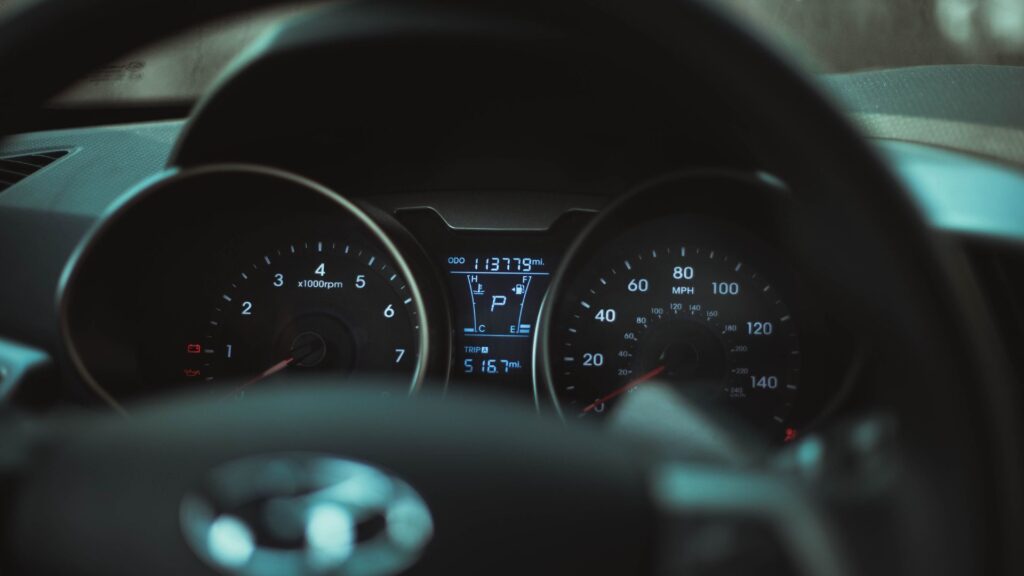
Finding a used car that fits your budget and lifestyle can be exciting—but then the mileage catches your eye. You may wonder: how many miles is too much for a used car? There’s no single answer, but a good benchmark is roughly 200,000 miles as a soft ceiling, while 12,000-15,000 miles per year is considered standard. Modern vehicles are built to last longer than ever, meaning mileage alone isn’t always the deciding factor.
In this guide, you’ll learn how to evaluate high-mileage cars, understand why maintenance history matters more than raw mileage, and discover what to expect at different mileage stages. Whether you’re eyeing a 75,000-mile Toyota or a 150,000-mile Honda, these tips will help you make a smart, safe decision.
The Quick Answer: Understanding Mileage Benchmarks
The 12,000-15,000 Miles Per Year Rule
Industry experts often use 12,000-15,000 miles per year as a benchmark for “normal” use. To calculate this, divide the car’s total mileage by its age. For example:
-
A 5-year-old car with 60,000–75,000 miles is typical.
-
A 10-year-old car with 120,000–150,000 miles is also within the standard range.
Cars significantly above or below these numbers may warrant extra scrutiny. Extremely low mileage could indicate a car that’s been mostly parked, which can lead to dried seals, stale fluids, or battery issues.
The 200,000-Mile Soft Ceiling
Modern cars can reach 200,000+ miles with proper care, but beyond this, major components such as transmissions and engines may require frequent repairs. While 200,000 miles isn’t automatically a deal-breaker, you’ll need to evaluate maintenance history, type of miles, and overall condition more closely.
How Car Mileage Standards Have Changed
Then vs. Now
In the 1990s and early 2000s, 100,000 miles was often seen as a car’s “end of life.” Today, with better materials and engineering, the average vehicle lasts 12+ years, often reaching 156,000+ miles, and many well-maintained cars surpass 200,000–300,000 miles.
Why Modern Cars Last Longer
Improved engineering and materials make engines, transmissions, and suspension components more durable. The use of synthetic oils and better-quality fluids reduces wear and extends the life of key parts, while advanced electronics help identify problems early, preventing costly damage.
100,000 Miles: No Longer the Death Mark
While repairs may become more frequent around 100,000 miles, it no longer signals the end of a car’s usefulness. Many vehicles at this stage are just beginning their “second life” if they have been maintained properly.

Factors More Important Than Raw Mileage
Maintenance History (Most Critical Factor)
The single most important factor in evaluating a used car is how well it has been maintained. Regular oil changes every 5,000–7,500 miles, adherence to the manufacturer’s service schedule, and complete service records are essential. A well-maintained 150,000-mile car often outperforms a neglected 75,000-mile car.
Number of Previous Owners
Fewer owners usually mean more consistent care. Single-owner vehicles are ideal, whereas multiple owners may indicate potential issues or inconsistent maintenance. Cars used as fleet or rental vehicles may experience more stress, even with lower mileage.
Type of Miles Driven
Highway Miles (Better)
Steady speeds reduce engine, brake, and transmission stress. A 150,000-mile highway car can be better than a 100,000-mile city car.
City Miles (Harder)
Frequent stop-and-go driving increases brake and transmission wear. The engine may never reach optimal temperature, causing more wear per mile.
Driving Conditions
Climate:
Salt and coastal air accelerate rust and corrosion; extreme temperatures can stress components.
Road Quality:
Rough roads wear suspension faster; smooth highways are gentler.
Storage:
Garaged cars last longer than vehicles stored outside.
Vehicle History Report
Always check accident history, title status, service records, and ownership changes. Flood or fire damage can drastically reduce a car’s lifespan. Use Carfax or AutoCheck to confirm details.
Mileage Thresholds: What to Expect at Each Stage
| Mileage Range | Expected Maintenance / Issues | Notes |
|---|---|---|
| 30,000–70,000 miles | Brake pads, possibly rotors, and air filters | Low mileage; minimal major concerns |
| 60,000–100,000 miles | Timing belts/chains, water pump, spark plugs, battery, transmission fluid | Mid-life; plenty of life left if maintained |
| 100,000–150,000 miles | Transmission issues, engine wear, suspension parts, and exhaust system | High mileage; more frequent repairs likely; weigh the cost-benefit |
| 150,000–200,000+ miles | Engine rebuilds, transmission overhaul, suspension replacement | Major repairs are common; consider total ownership costs vs. buying newer |
| Ultra-Low Mileage (≤3,000–5,000/year) | Dried seals, stale fluids, battery degradation, tire dry rot, and rodent damage | Cars need regular driving to remain healthy |
Brand and Model Reliability Differences
Brands Known for Longevity
Toyota:
Vehicles such as the Camry, Corolla, and 4Runner regularly exceed 200,000 miles, demonstrating long-term durability and reliability when properly maintained.
Honda:
Models like the Accord, Civic, and CR-V are well-known for their reliability, often providing long-lasting performance when properly maintained.
Lexus:
Lexus vehicles offer the luxury experience while maintaining Toyota’s renowned reliability, making them a dependable option even at higher mileage.
Mazda & Subaru:
Both Mazda and Subaru vehicles are known for their durability when properly maintained, making them reliable choices for long-term ownership.
Diesel vs. Gasoline Engines
Diesel engines often last 300,000 miles or more and are especially well-suited for highway driving, making higher mileage more acceptable compared to gasoline engines.
Luxury Vehicle Considerations
Luxury vehicles have more complex systems, which lead to higher repair costs. German brands like BMW, Mercedes, and Audi often require expensive maintenance, and high-mileage luxury cars may experience frequent electronic failures.

How to Evaluate a High-Mileage Used Car
Pre-Purchase Inspection (Essential)
Hire an independent mechanic for a comprehensive inspection that includes an engine compression test, transmission performance check, suspension and steering evaluation, brake and rotor assessment, fluid levels and condition review, and an electronic systems scan. The cost, typically $100–200, is often well worth the investment for peace of mind.
What to Look For Yourself
Inspect the body condition for rust, dents, or paint issues, check tire wear patterns for alignment problems, assess oil condition and watch for smoke from the exhaust, monitor dashboard warning lights, and ensure interior wear matches the vehicle’s mileage.
Test Drive Evaluation
During a test drive, listen for any strange noises and carefully check the shifting, brake feel, and steering response to ensure the vehicle operates smoothly and safely.
Questions to Ask the Seller
-
Why are you selling?
-
How many owners?
-
Where was it primarily driven?
-
Maintenance records?
-
Accidents or major repairs?
-
Upcoming fixes?
Red Flags to Avoid
Be cautious of cars with no maintenance records, multiple owners in a short period, salvage or rebuilt titles, prices that seem too good to be true, or signs of oil leaks or a burning smell.
Special Considerations: CPO and Alternative Options
Certified Pre-Owned (CPO) Benefits
CPO vehicles are typically under five years old with fewer than 50,000–60,000 miles. They undergo rigorous inspections covering 100+ points, include an extended warranty, and come with dealer servicing history. While the price is higher, buyers gain peace of mind and added reliability.
When to Consider Higher Mileage
Higher-mileage cars can be a good option if your budget is tight, you’re mechanically inclined, plan to own the car short-term, need a second or backup vehicle, or are buying a known, reliable brand with complete maintenance records.
When to Avoid High Mileage
Avoid purchasing a high-mileage car if it will be your primary vehicle, if you have a long daily commute, if you can’t afford unexpected repairs, or if you lack mechanical knowledge to handle potential issues.

Calculating True Ownership Costs
| Category | Details / Considerations |
|---|---|
| Beyond Purchase Price | Maintenance costs over 2–5 years, insurance rates (older cars may cost less), fuel efficiency changes, resale value, and financing rates (may be higher for older cars) |
| Cost-Benefit Analysis | Compare purchase price + projected repairs vs. newer car payments; if repair costs >50% of vehicle value, consider walking away; factor in extended warranties if available |
| “When to Walk Away” Formula | Walk away if one year of expected repairs >30–50% of purchase price, multiple immediate repairs needed, or safety systems compromised |
Making Your Final Decision
Key Takeaways
There’s no magic number for “too many miles,” but 12,000–15,000 miles per year serves as a useful benchmark. Maintenance history matters more than raw mileage, and 200,000 miles is generally a soft ceiling. Highway miles are easier on a vehicle than city miles, modern cars last longer than older generations, and you should always get a pre-purchase inspection before buying.
Decision Framework
To make an informed choice, start by checking the vehicle’s average miles per year and reviewing its maintenance records. Research the brand and model for reliability, and get a professional inspection to uncover hidden issues. Calculate total ownership costs, including expected repairs and upkeep, and trust your gut if something feels off during the evaluation process.
Final Thoughts
Mileage is only one piece of the puzzle when buying a used car. Maintenance history, type of miles, and vehicle history are equally important.
A well-maintained 150,000-mile Honda can outperform a neglected 60,000-mile car. Do your homework, schedule a pre-purchase inspection, and don’t fear higher mileage if the vehicle checks all other boxes. With careful evaluation, you can find a reliable, long-lasting car at a great price.
FAQs
1. How many miles is too much for a used car?
There’s no single cutoff, but 200,000 miles is a rough ceiling; check maintenance and type of miles.
2. Do highway miles matter more than city miles?
Yes, highway miles cause less wear on brakes, transmission, and engine than city stop-and-go miles.
3. Can a 150,000-mile car be a good buy?
Absolutely, if it has full maintenance records and a clean vehicle history.
4. Should I avoid cars over 200,000 miles?
Not necessarily—modern cars can last longer, but expect more frequent repairs and careful inspection.
5. What is the most important factor in a used car?
Maintenance history beats raw mileage; a well-cared-for high-mileage car often outlasts a neglected low-mileage one.