Being the victim of a hit-and-run accident is stressful enough; you shouldn’t have to worry about your car insurance rates going up on top of everything else. Unfortunately, many drivers are left confused about what happens next, especially when the other driver disappears without taking responsibility. One of the most common questions people ask after these incidents is Will a hit-and-run claim raise my insurance, and the answer isn’t always simple.
The short answer is: filing a hit-and-run claim can increase your insurance premiums, but not always. The outcome depends on several factors, including your state laws, insurance company policies, driving history, and which type of coverage you use. While it may feel unfair, some insurers raise rates whenever a claim is filed—even when you’re clearly not at fault.
That said, increases from hit-and-run claims are usually smaller than those from at-fault accidents, and some states actually prohibit insurers from raising rates for not-at-fault claims. In this article, we’ll break down how insurers view hit-and-run claims, which coverages apply, state-by-state differences, and practical steps you can take to minimize or avoid premium increases altogether.
Quick Answer: The Short Version
So, will a hit-and-run claim raise my insurance? Possibly, but not in every situation.
If you file a claim with your own insurer after a hit-and-run accident, even when you were parked legally or clearly not at fault, your rates may increase. Insurance companies evaluate risk using claims history, and filing any claim can affect how risky you appear statistically. However, the increase is usually far smaller than if you caused the accident yourself.
Your Rates Won’t Increase If:
Your insurance rates may not rise if you live in states like California, Oklahoma, Massachusetts, or Tennessee, where laws protect drivers who are not at fault. Rates also typically remain stable if you have accident forgiveness coverage, if the hit-and-run driver is identified and their insurance covers the damages, or if you choose not to file a claim on your own policy.
Small Rate Increase
In many states, a not-at-fault accident may still cause a slight premium increase. For example, in Texas, a minor not-at-fault accident can raise annual premiums by around $200, while nationwide data indicates that average increases for similar incidents are approximately $67 per year.
Moderate Rate Increase
Larger increases may occur if you’ve filed multiple claims in recent years, have moving violations on your record, or use uninsured motorist or collision coverage for costly repairs. The key takeaway is that even when rates do rise, hit-and-run claims generally lead to much smaller premium hikes compared to at-fault accidents.
Understanding Hit-and-Run Accidents
What Is a Hit-and-Run?
A hit-and-run occurs when a driver causes a collision with another vehicle, a person, or property and then leaves the scene without stopping to exchange information or provide assistance. This behavior is illegal in all 50 states and can happen in a variety of situations, including while you are actively driving or when your vehicle is legally parked and unattended.
Hit-and-Run Statistics
Hit-and-run accidents are more common than many drivers realize, with roughly 682,000 incidents occurring each year, about one every 43 seconds. Despite their frequency, only about 10% of hit-and-run cases are ever solved. Over the past decade, these crashes have accounted for approximately 5% of all traffic fatalities, highlighting the serious risks and consequences associated with fleeing the scene of an accident.
Types of Hit-and-Run Scenarios
Hit-and-run incidents can take several forms, including situations where another vehicle strikes you while driving and then flees, damage to a parked vehicle, property-damage-only accidents, or crashes that result in injuries requiring medical attention. The specific scenario matters because it directly determines which insurance coverage applies, how your claim is processed, and whether certain protections—such as UM/UIM or collision coverage will come into play.

How Insurance Companies View Hit-and-Run Claims
Insurance companies are risk-based businesses. Even if you didn’t cause the accident, filing a claim may signal a higher likelihood of future claims.
Risk Assessment Logic
Insurers use statistical models showing that drivers involved in accidents, regardless of fault, are more likely to file future claims. As a result, you may lose “accident-free” status.
Why Not-at-Fault Claims Can Raise Rates
-
Claims processing costs money
-
You may lose claims-free discounts
-
Filing under collision or UM/UIM coverage affects underwriting
Claims History Matters
All claims are recorded in the CLUE database, which insurers check for 3–5 years. Multiple claims significantly increase the chance of a rate hike.
How Hit-and-Run Claims Differ
They’re generally treated as not-at-fault accidents and carry less severe rate impacts, especially in protected states.
Which Insurance Coverages Apply to Hit-and-Runs
Collision Coverage
Collision coverage pays for vehicle damage regardless of fault. It’s the most common option for hit-and-run repairs but requires paying a deductible and may impact rates.
Uninsured/Underinsured Motorist (UM/UIM)
A fleeing driver is usually treated as uninsured. UM/UIM can cover injuries and sometimes property damage, depending on state laws.
Personal Injury Protection (PIP)
Required in no-fault states, PIP covers medical bills, lost wages, and essential services regardless of fault.
Medical Payments (MedPay)
MedPay covers medical expenses but has lower limits than PIP.
Choosing the Right Coverage
Always compare repair costs to your deductible and consider potential rate impacts before filing.
State Laws and Regulations
State laws play a huge role in whether will a hit-and-run claim raise my insurance applies to you.
States That Prohibit Rate Increases
California, Oklahoma, Massachusetts, Tennessee, and Maryland protect not-at-fault drivers from premium hikes.
No-Fault States
In no-fault states like Florida and New York, you file claims with your own insurer, increasing the likelihood of rate changes.
At-Fault States
Most states allow insurers discretion, meaning rates may rise even when you’re not responsible.
Factors That Determine If Your Rates Increase
Whether your insurance rates increase after a hit-and-run largely depends on several interconnected factors, starting with your driving history and prior claims frequency, as drivers with clean records and few past claims are less likely to see premium hikes. Insurance company policies also play a major role, since each insurer applies its own underwriting guidelines when evaluating not-at-fault accidents. The type of coverage you use—such as collision, UM/UIM, or PIP—can influence how a claim affects your rates, as can the severity of the damage and the overall cost of the claim. Your location and applicable state laws matter as well, with some states prohibiting rate increases for not-at-fault accidents altogether. Finally, your age and driving experience are considered, as younger or less experienced drivers are often viewed as higher risk compared to seasoned drivers with long, accident-free histories.
How Much Will Rates Increase?
After a hit-and-run or other not-at-fault accident, the average insurance rate increase typically ranges from about $50 to $300 per year, depending on your state, insurer, and driving history. By comparison, at-fault accidents are far more expensive, with average premium increases of $872 or more annually. In most cases, hit-and-run-related increases are approximately 70–90% lower than those associated with at-fault crashes, making the financial impact significantly less severe. Any increase that does occur is not permanent, as rate impacts usually remain on your insurance record for about three to five years before gradually falling off.
Accident Forgiveness: Your Best Protection
Accident forgiveness prevents rate increases after your first qualifying claim—even hit-and-run incidents in many cases. It can be purchased, earned through loyalty, or included in premium policies.
Steps to Take After a Hit-and-Run Accident
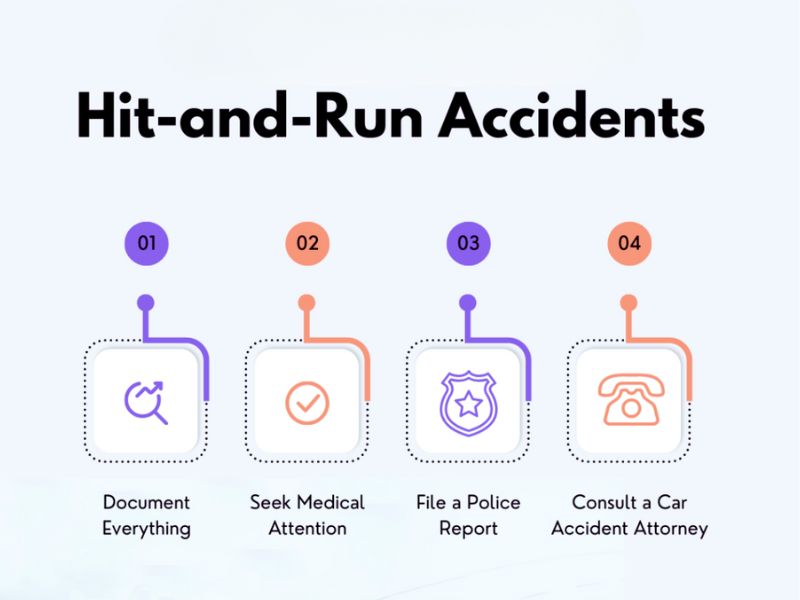
After a hit-and-run accident, your priority should be safety—move to a secure location if possible and call the police immediately, especially if there are injuries or significant damage. Carefully document the damage and the scene by taking photos or videos and noting any details you remember about the other vehicle or potential witnesses. Filing a police report is crucial, as it creates an official record that insurers often require. Even if injuries seem minor, seek medical care promptly since some symptoms may appear later, and medical documentation supports any injury-related claims. Notify your insurance company as soon as possible to meet policy reporting requirements and preserve your options. Finally, decide carefully whether to file a claim by comparing repair costs with your deductible and considering the potential long-term impact on your insurance rates.
How to Minimize Rate Increases
To minimize potential rate increases after an incident, start by documenting everything related to the accident, including photos, police reports, and communication with insurers. Avoid filing small claims when the repair cost is close to or only slightly above your deductible, as frequent minor claims can impact your premiums. Shopping around for quotes can help you find more competitive rates, while taking advantage of available discounts—such as safe driver, bundling, or loyalty discounts—can further reduce costs. Increasing your deductible may lower your monthly premium, though it should be done only if you can comfortably afford the out-of-pocket expense. Completing defensive driving courses can also lead to insurer discounts and demonstrate lower risk. Finally, don’t hesitate to challenge unfair rate increases by asking your insurer for a detailed explanation and requesting a review if the increase seems unjustified.
When the Hit-and-Run Driver Is Found
If the hit-and-run driver is identified, you can file a third party claim directly against the at-fault driver’s insurance instead of relying solely on your own coverage. In many cases, any deductible you initially paid under collision or uninsured motorist coverage may be refunded once liability is established. Additionally, if your premiums were increased due to the claim, your insurer may reverse or adjust the rate increase after the responsible driver is confirmed and their insurer assumes financial responsibility.
Special Scenarios
Parked vehicle damage can be especially frustrating, as hit-and-run incidents often leave no immediate way to identify the responsible driver, making comprehensive or uninsured motorist coverage crucial. A multiple claim history may complicate future claims by increasing premiums or triggering closer insurer scrutiny, so accurate documentation and prompt reporting become even more important. Uninsured victims face added challenges in recovering costs, often relying on uninsured/underinsured motorist (UM/UIM) coverage or state compensation options to cover medical bills and repairs. Rideshare and commercial vehicles introduce coverage complexities, as responsibility may shift between personal, commercial, or platform-provided insurance depending on the driver’s status at the time of the incident. Multi-vehicle pileups further complicate fault determination and claims processing, often involving multiple insurers, detailed investigations, and longer settlement timelines.
Understanding Your Insurance Policy
Understanding your auto insurance policy is essential for protecting yourself financially, especially in situations like hit-and-run accidents. Start by reviewing your declarations page at least once a year. This page summarizes your coverage limits, policy period, listed drivers, and insured vehicles, making it the quickest way to confirm what protection you actually have.
Pay close attention to your deductibles, as these directly affect how much you’ll pay out of pocket after an accident. Lower deductibles reduce immediate expenses but often come with higher premiums, while higher deductibles lower premiums but increase upfront costs during a claim. Choosing the right balance is key.
Ensure you have adequate Uninsured/Underinsured Motorist (UM/UIM) coverage, which is especially important in hit-and-run scenarios where the at-fault driver cannot be identified. UM/UIM coverage can help pay for medical bills, lost wages, and sometimes vehicle repairs when the responsible party is unknown or lacks sufficient insurance.
Finally, check your accident forgiveness status and eligibility. Some policies prevent your first at-fault accident from increasing premiums, but conditions vary by insurer. Reviewing this annually helps you understand how a future claim might impact your rates and allows you to adjust coverage before a loss occurs, not after.

Prevention: Protecting Yourself from Hit-and-Runs
While no driver can eliminate the risk of a hit-and-run accident, taking proactive steps can significantly reduce your chances of becoming a victim—or help protect you financially if it happens. Prevention is not only about avoiding collisions but also about being prepared with evidence and documentation if the unexpected occurs.
Park in well-lit areas
whenever possible, especially overnight or in unfamiliar neighborhoods. Well-lit parking spaces deter careless or criminal behavior and increase the likelihood that witnesses or security cameras will capture useful details. In busy areas, parking closer to entrances or near security posts can further reduce risk.
Use dashcams
to record your surroundings while driving and, if supported, while parked. A quality front-and-rear dashcam can capture license plates, vehicle descriptions, and the exact moment of impact. This evidence can be invaluable for police reports, insurance claims, and potentially identifying the hit-and-run driver, which may help prevent premium increases.
Drive defensively
by maintaining safe following distances, avoiding aggressive drivers, and staying alert at intersections and parking lots—common locations for hit-and-run incidents. Anticipating sudden stops, erratic lane changes, or distracted drivers gives you more time to react and may help you avoid being struck in the first place.
Keep documentation ready
by carrying your insurance details, vehicle registration, and emergency contact information in an easily accessible place. Knowing how to quickly document damage, take photos, and file a police report ensures you can act calmly and efficiently after an incident. Being prepared not only speeds up the claims process but also strengthens your case if questions arise later.
Conclusion
So, will a hit-and-run claim raise my insurance? Sometimes—but not always, and usually not by much. State laws, insurer rules, accident forgiveness, and your personal history all play a role. With proper documentation, smart claim decisions, and awareness of your rights, you can minimize financial fallout and protect your premiums after a hit-and-run.
FAQs
Will my insurance definitely go up after a hit-and-run claim?
No. It depends on your state, insurer, coverage, and driving history.
How much will my insurance go up after a hit-and-run?
Average increases range from $0–$300 annually, far less than at-fault accidents.
Does filing a police report affect my insurance rates?
No. The claim affects rates, not the police report.
Should I file a claim if the damage is minor?
If repairs cost less than your deductible, paying out of pocket may be better.
Does accident forgiveness apply to hit-and-run claims?
In most cases, yes—check your policy for details.